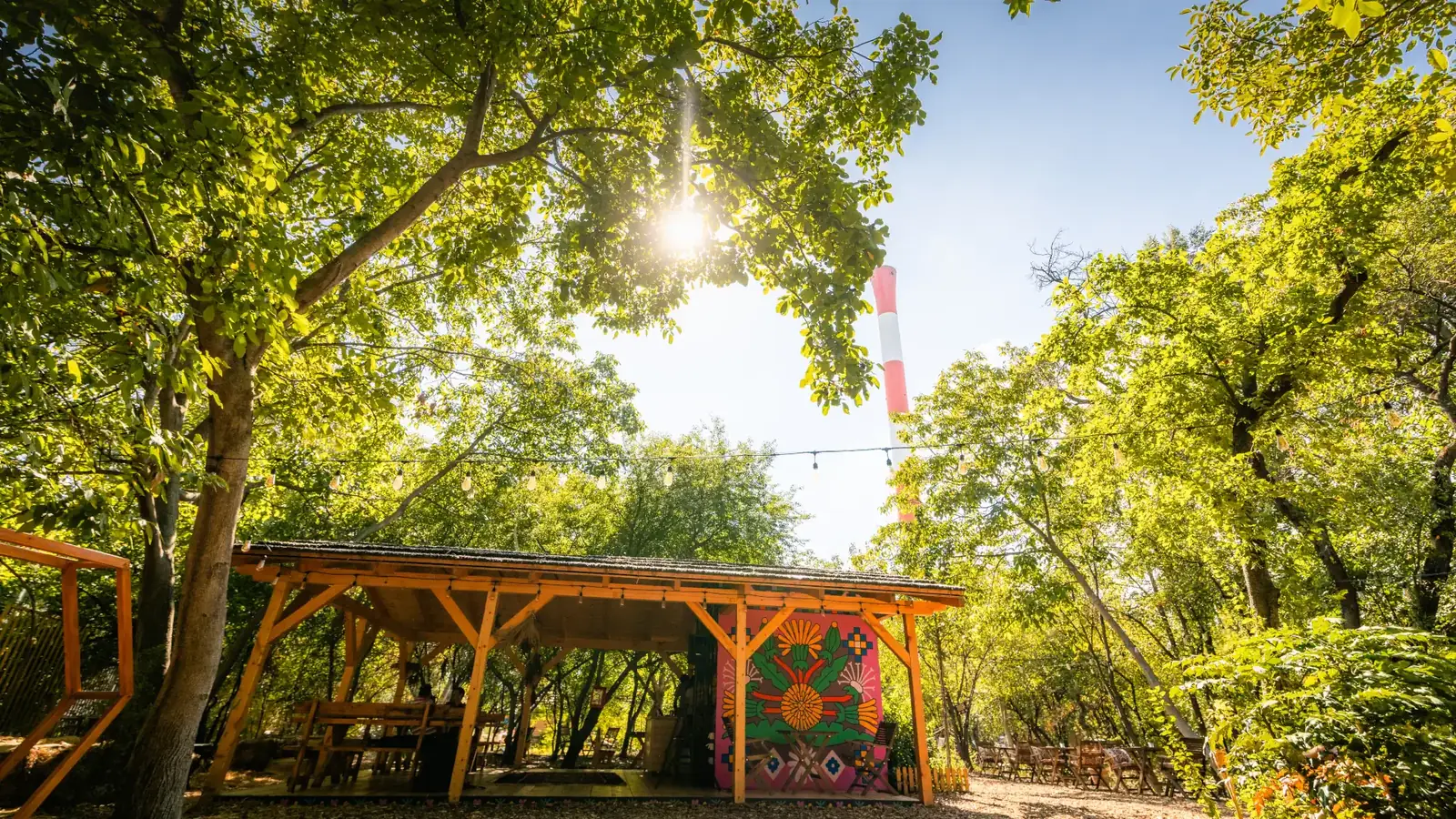
Dom kulture Silosi · the Danube bank · Belgrade
A thousand square metres of a city that hums
BeeCenter is a beekeeping and education centre in the Silosi, on the bank of the Danube. In the Honey Garden we bring together urban beekeeping, nature, education and experiences for children, adults and companies.
1.000 m²of garden, reclaimed from concrete and rubble
45bee colonies live here
5.200plants put into the ground
78workshops held so far
01What BeeCenter is
Behind the silos there was concrete. Now there is a garden.
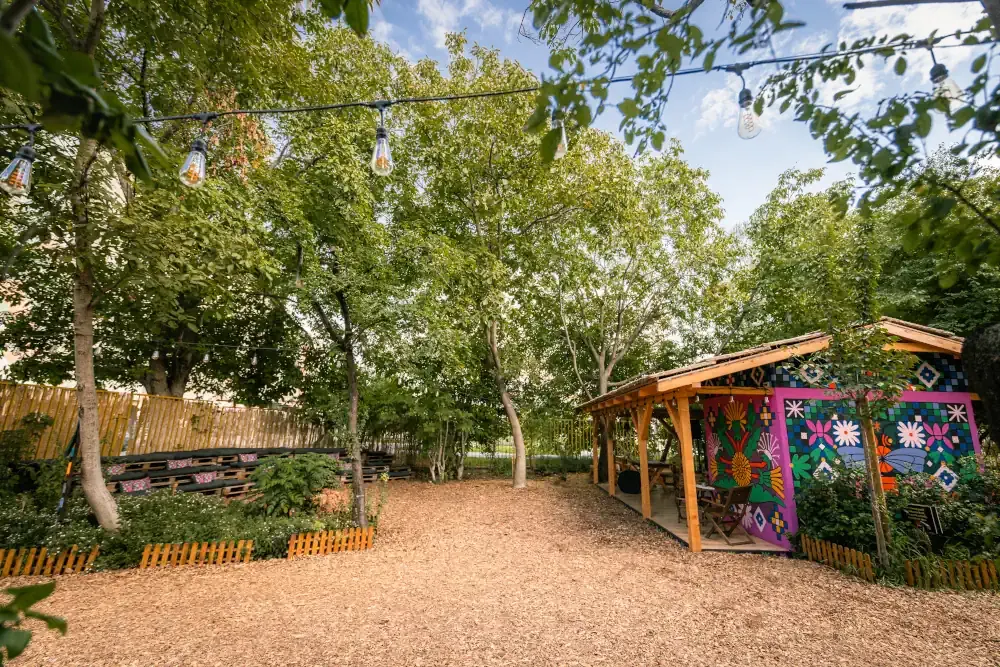
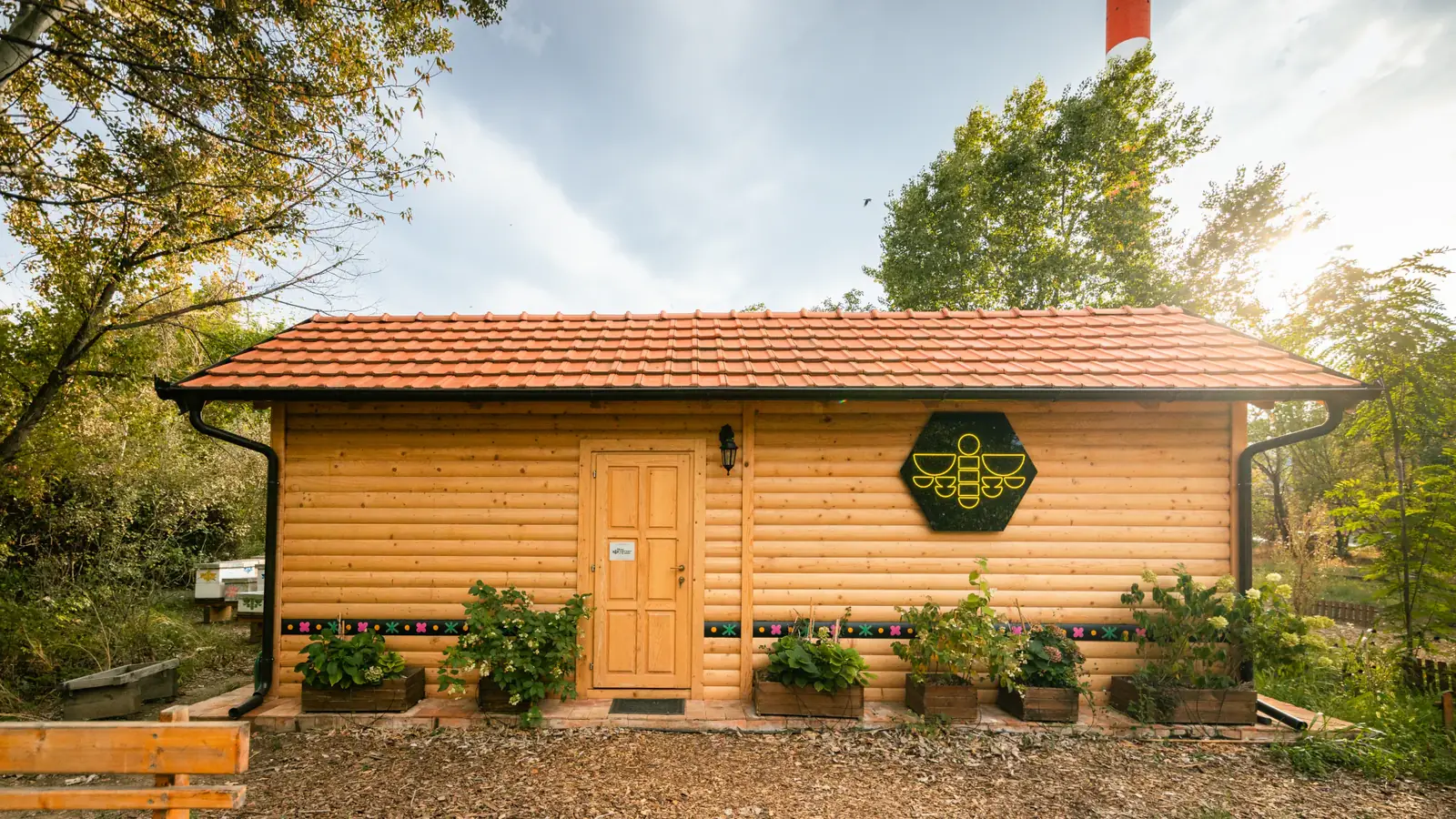
Dario and David Mardešić cleared the rubble, planted the shade and moved the hives in. Around them is Dom kulture Silosi, a converted grain-silo complex on the Danube bank, developed with the GAIA movement.
A wood-chip floor, a pallet amphitheatre, huts painted with folk motifs, a glass observation hive and their own bar. And above all of it, the red-and-white chimney.
02Experience BeeCenter
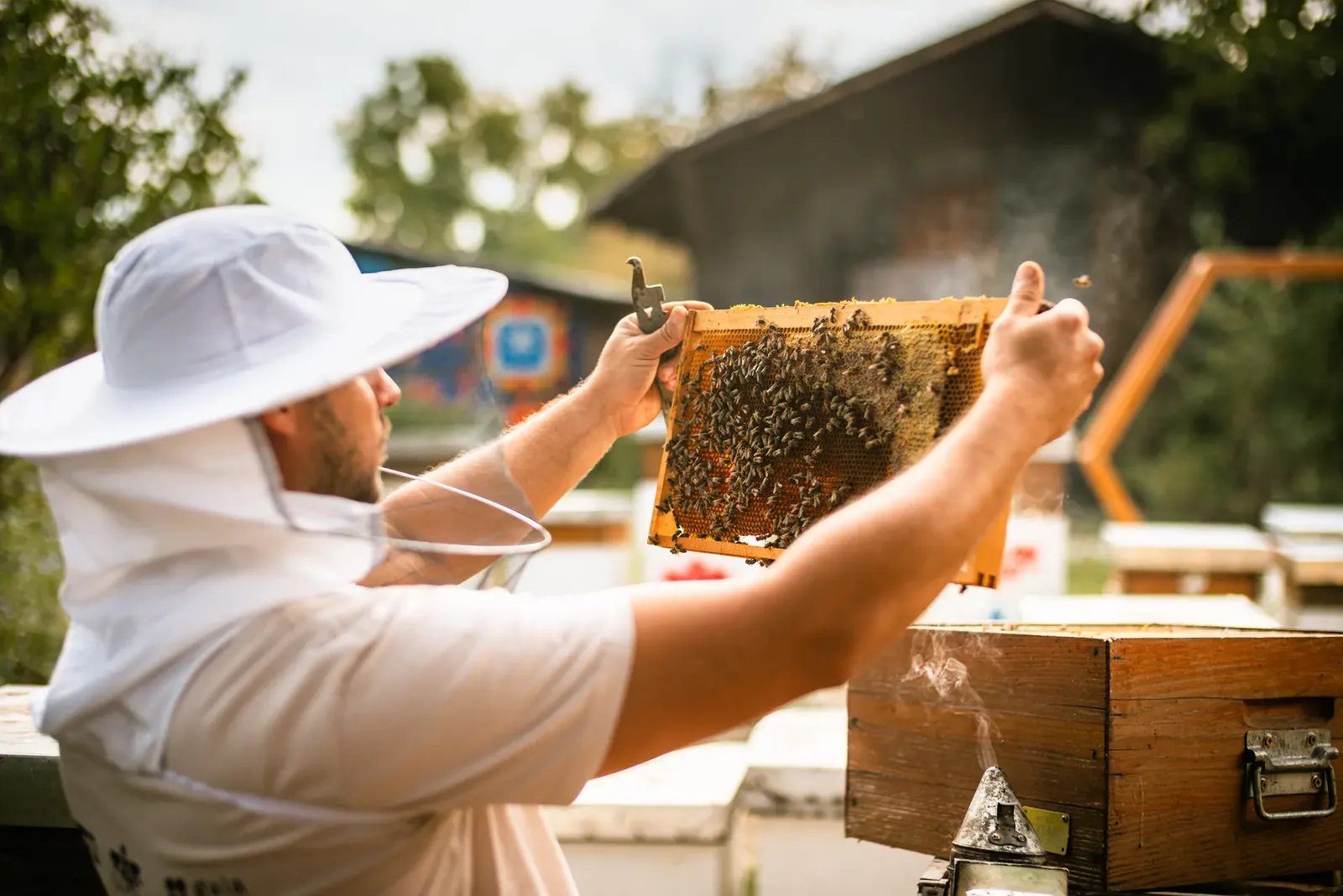
No one here watches from the side
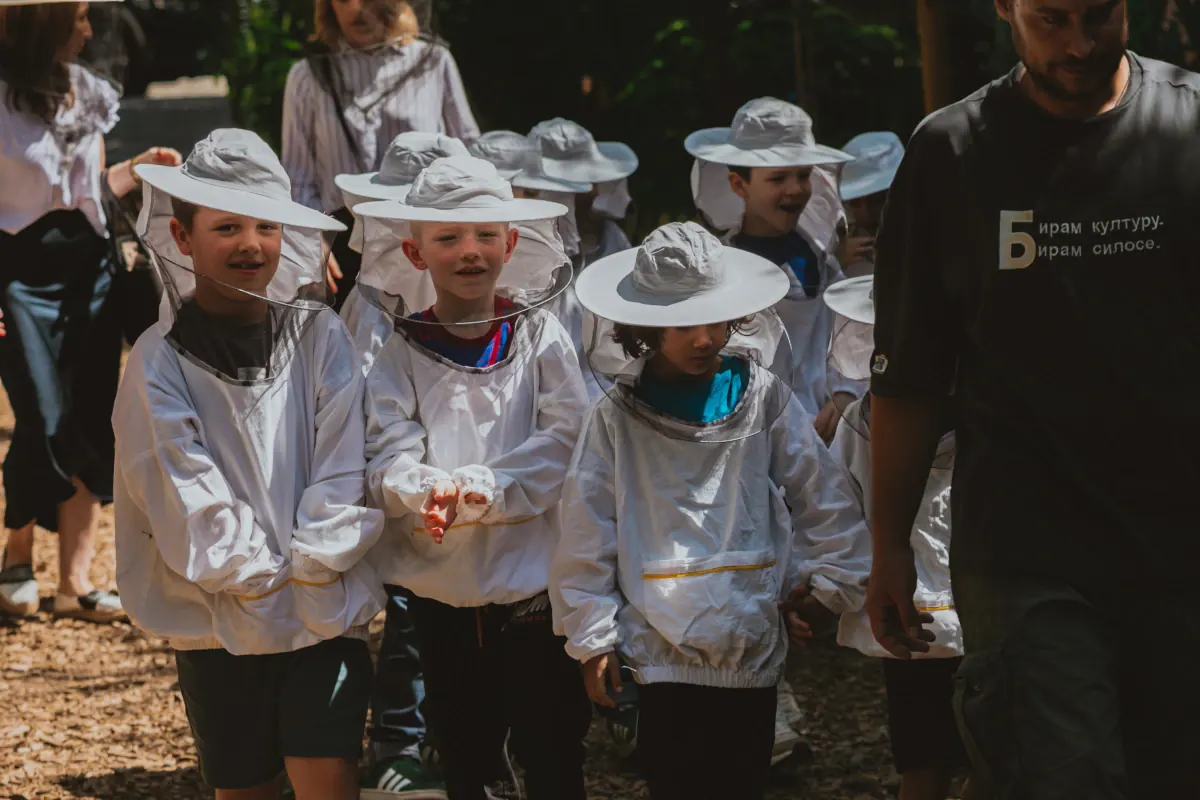
The suit really goes on, the hive really opens, and the honey comes at the end, not at the beginning.
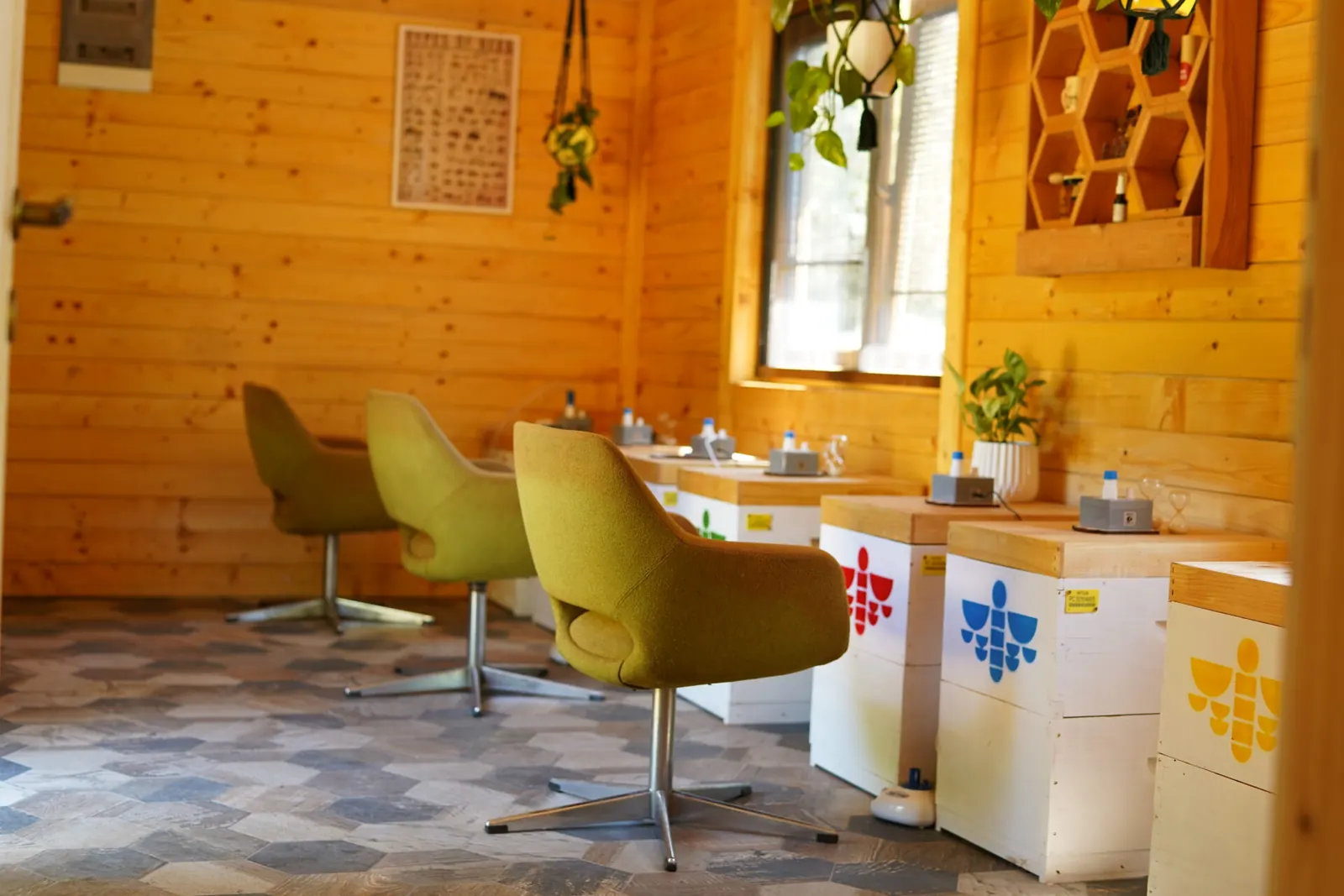

You lie down on the planks.Below you, a whole city is working.
03B2B
What a team can learn from a hive
The most organised society in nature poses the questions, and the team answers them out loud. The same garden takes up to 250 guests when it needs to be a venue rather than a classroom.
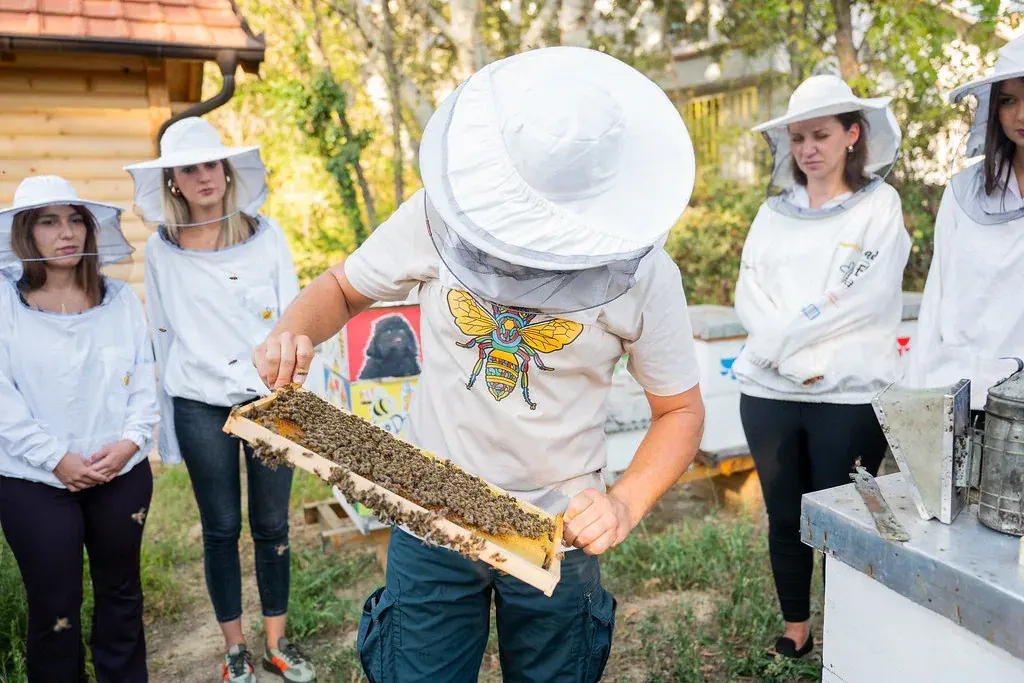
Team building
Beekeeping team building on real hives.

Learning from bees
Bee a Team: business training from the most organised society in nature.
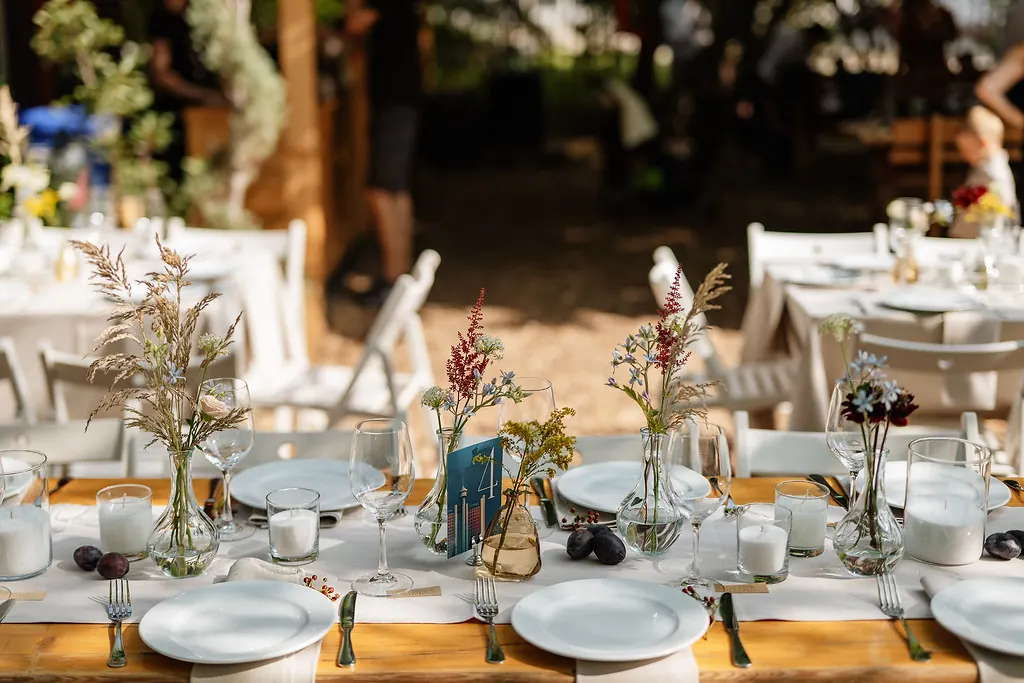
Event space
The garden as a venue: up to 250 guests under an open sky.

CSR and ESG
Branded hives, planting, children’s education, bespoke projects.
Corporate gifts
Honey with your label, in the quantity you need.
04Our largest project
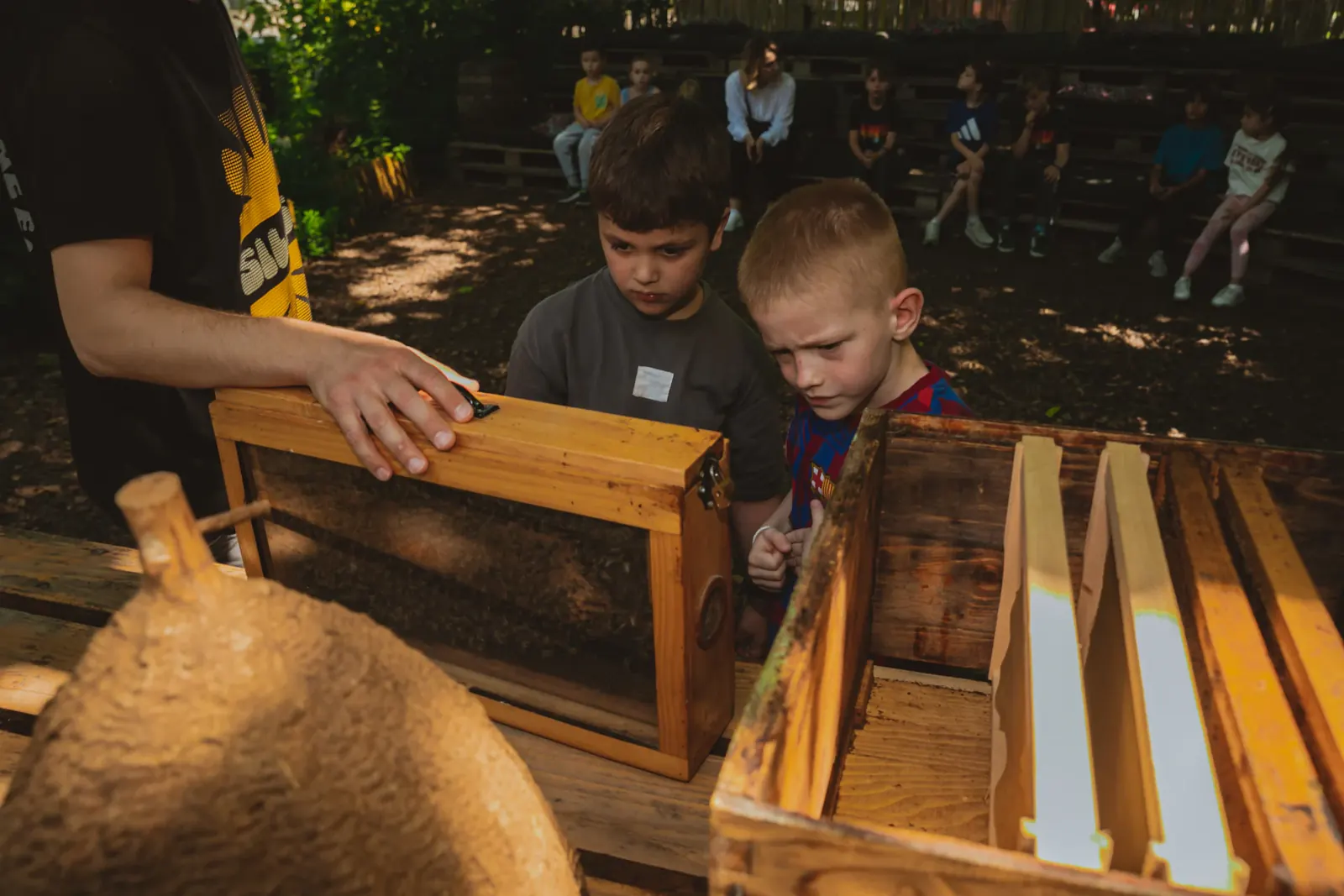
The Hive of Knowledge: let the children close
We believe that children, just like bees, will change the world. Together with the Novak Đoković Foundation and the GAIA movement, more than 1,500 children from over 50 kindergartens have passed through our workshops.
Transport and programme are covered, so a family budget is never the obstacle. A kindergarten signs up, a company supports it. That is one project seen from two sides.
05Bee facts
Six things about a bee that are rarely known
5
eyes on a single bee: two large compound ones at the sides and three simple ones on top of the head.
UV
light bees can see and we cannot: on a flower they read patterns invisible to the human eye.
200
beats a second a bee’s wings make, which is why flight sounds like buzzing.
Dance
is how bees talk: by it they tell the others the direction and distance to a source of food.
2,000
eggs a day a queen can lay at the height of the season, roughly her own body weight.
20,000+
species of bee live in the world, and most of them do not live in hives and make no honey.
06The garden in the evening
One garden, up to 250 guests and an open sky
Cocktails, launches, panels, team days, birthdays and weddings. Every photograph is from a real evening in this garden.
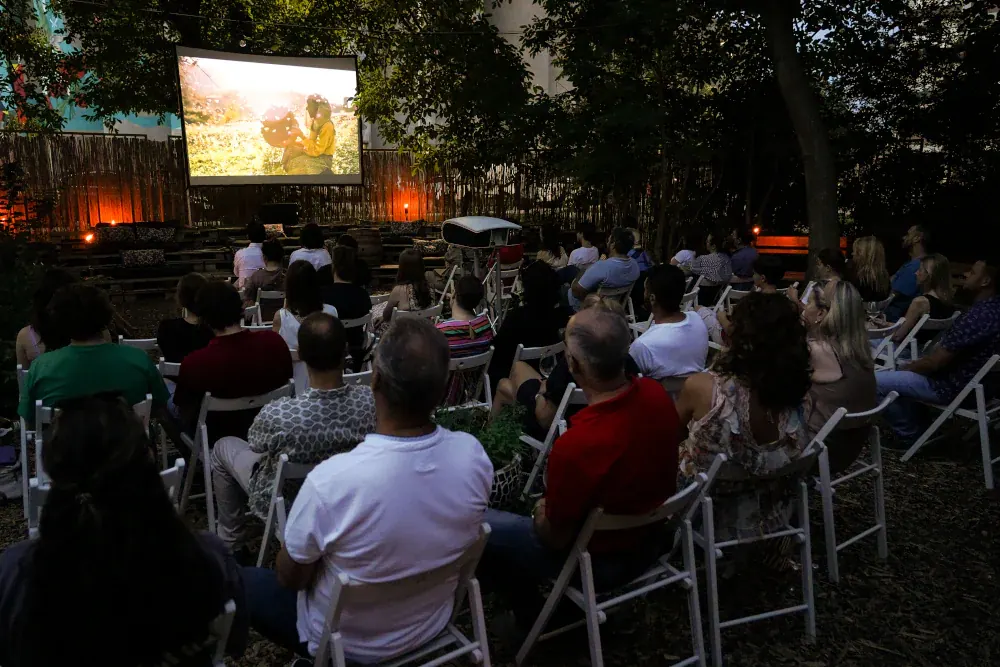
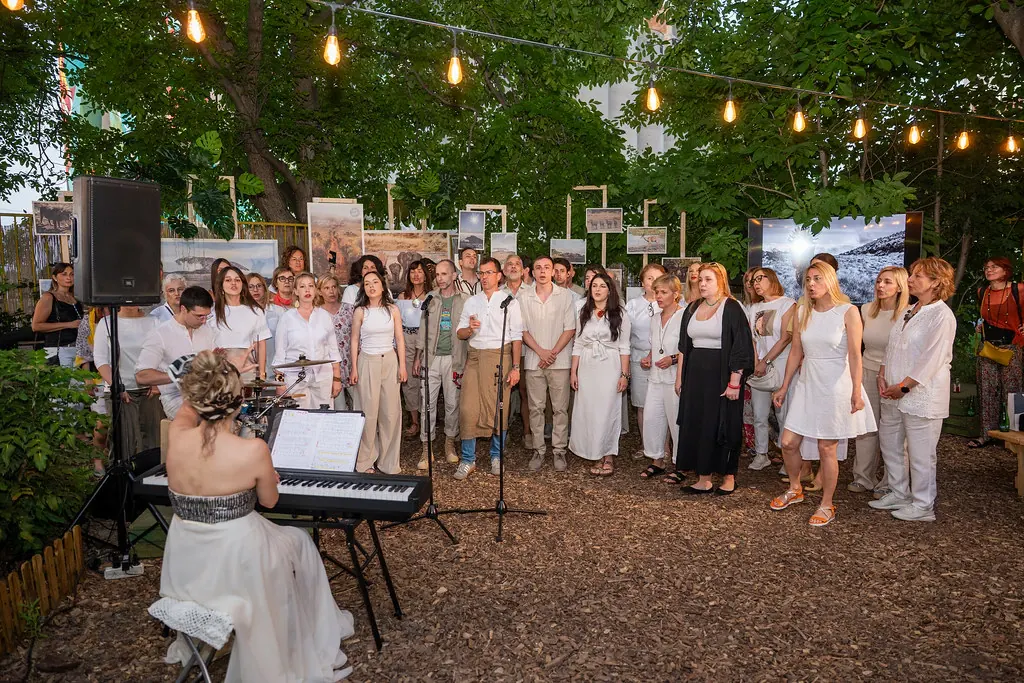
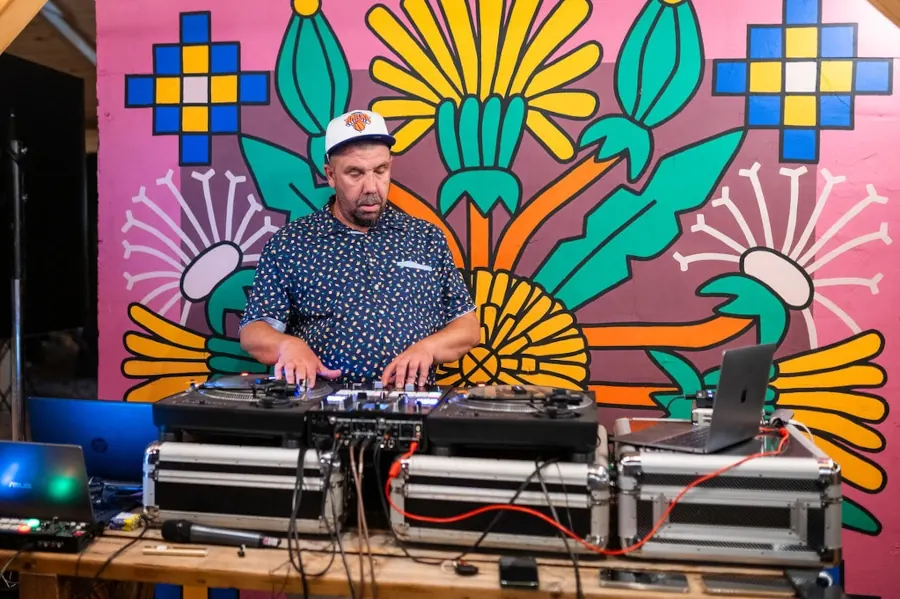
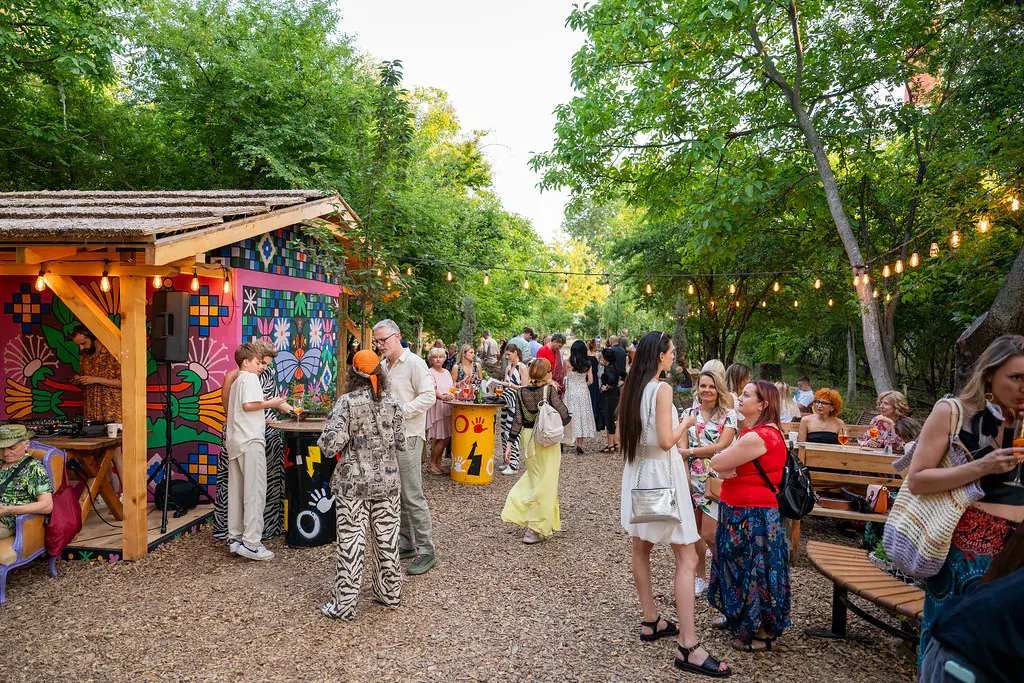
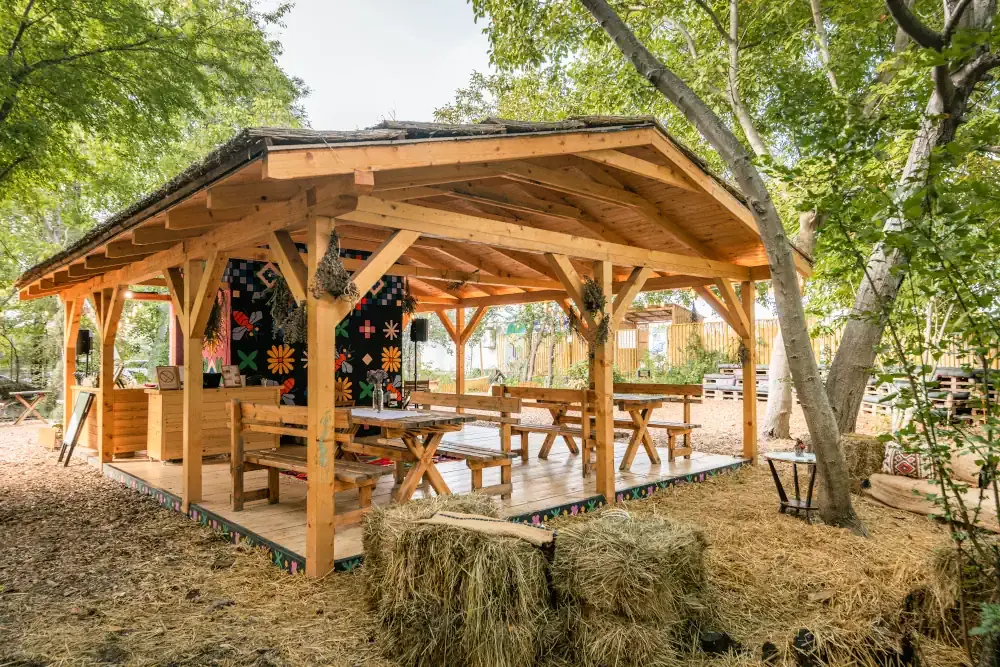
The strip moves sideways: drag it, use the arrows, or just scroll.
07Products · MadMed, since 2017
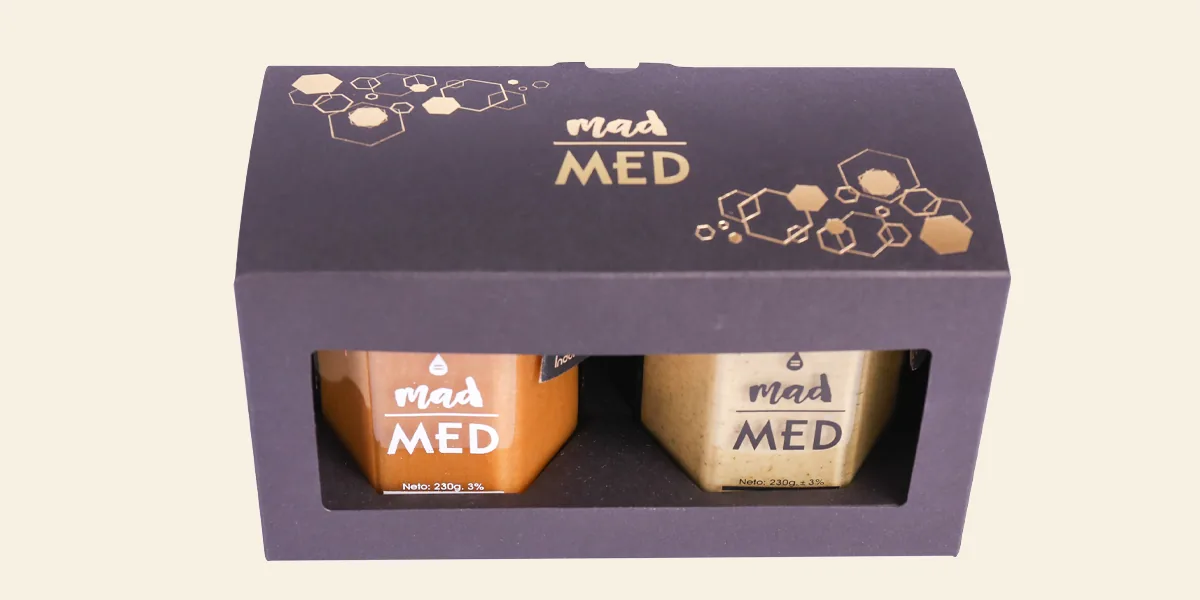
What leaves the garden in a jar
Honey from the hives in this garden and from the family apiary. Alongside it propolis, perga and beeswax wraps.
„An ancient product, the modern way.”

08What people say, verbatim
„Wow. Wow. Wow. The best place in the city!!!”„Neverovatan skriveni mali raj. Za svaku preporuku!”„A fully immersive experience where you can see, hear, touch and taste so much in just 2 hours!”They have already been here




09Stories from the apiary
What the garden teaches does not stay in the garden
We write down what we do and what we got wrong: urban beekeeping, biodiversity, working with children and with companies.
Alone we can make one garden. Together we can change a city.
Membership of the Friends of the Honey Garden is free: planting actions, greening, education and standing up for biodiversity.