The glass observation hive
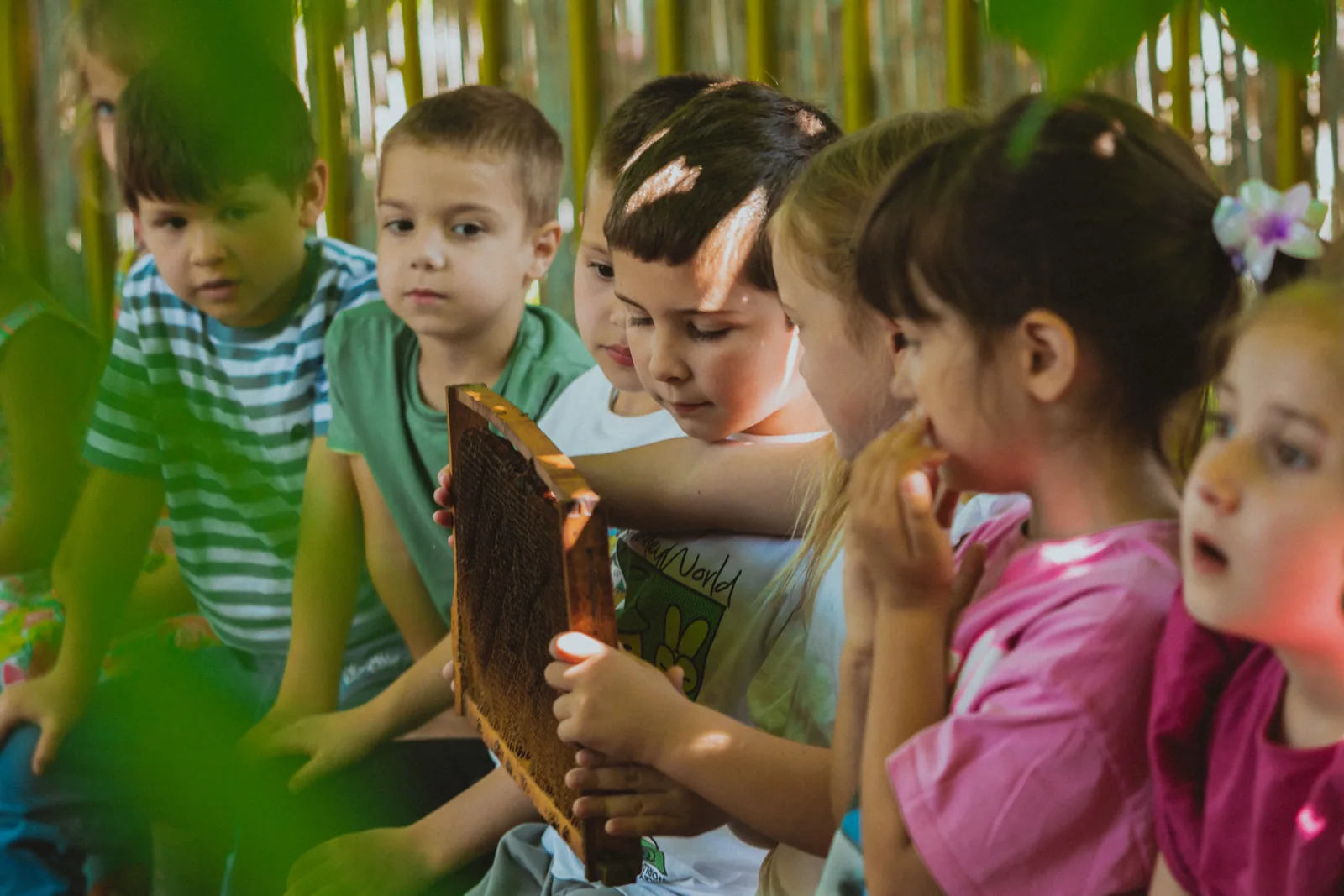
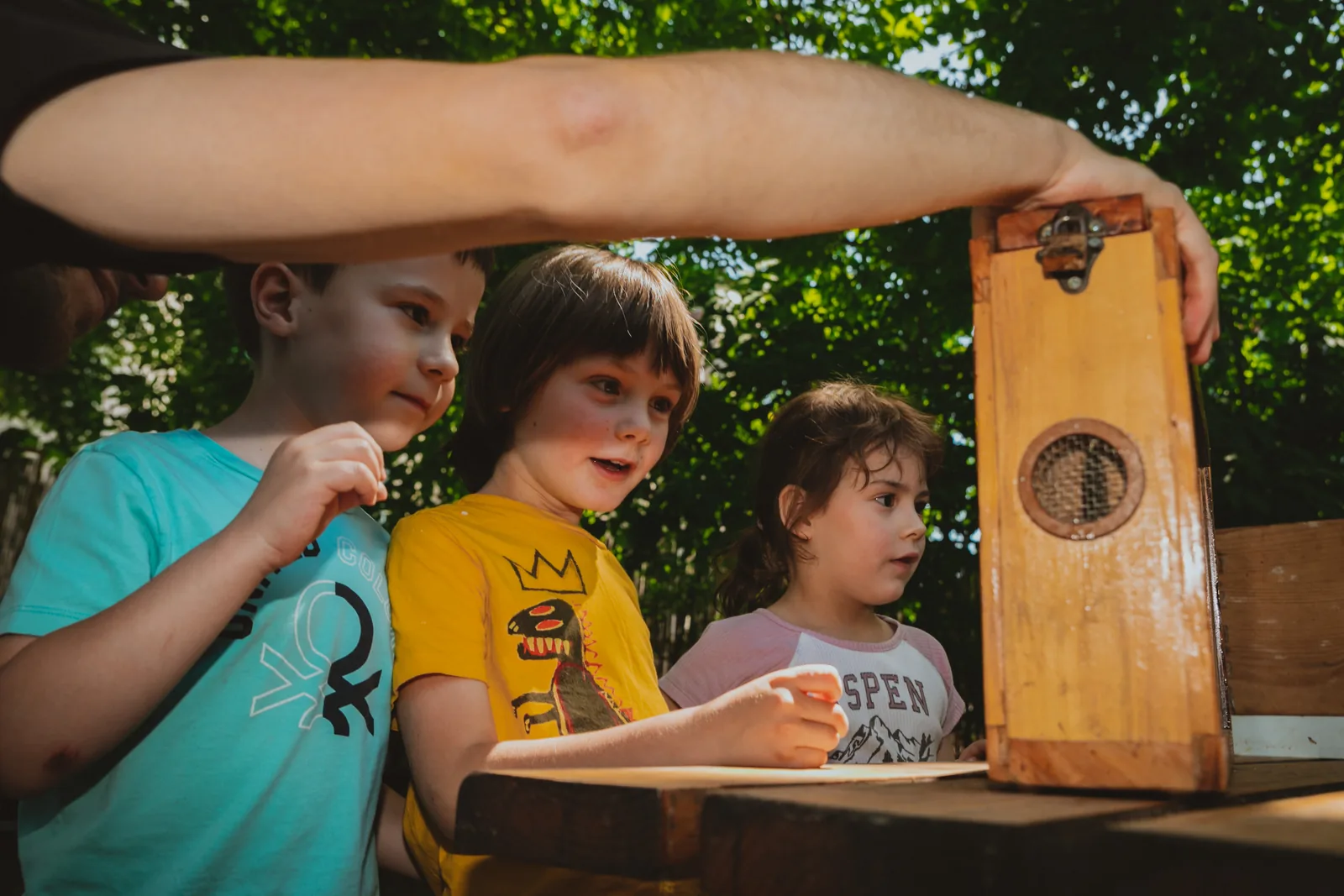
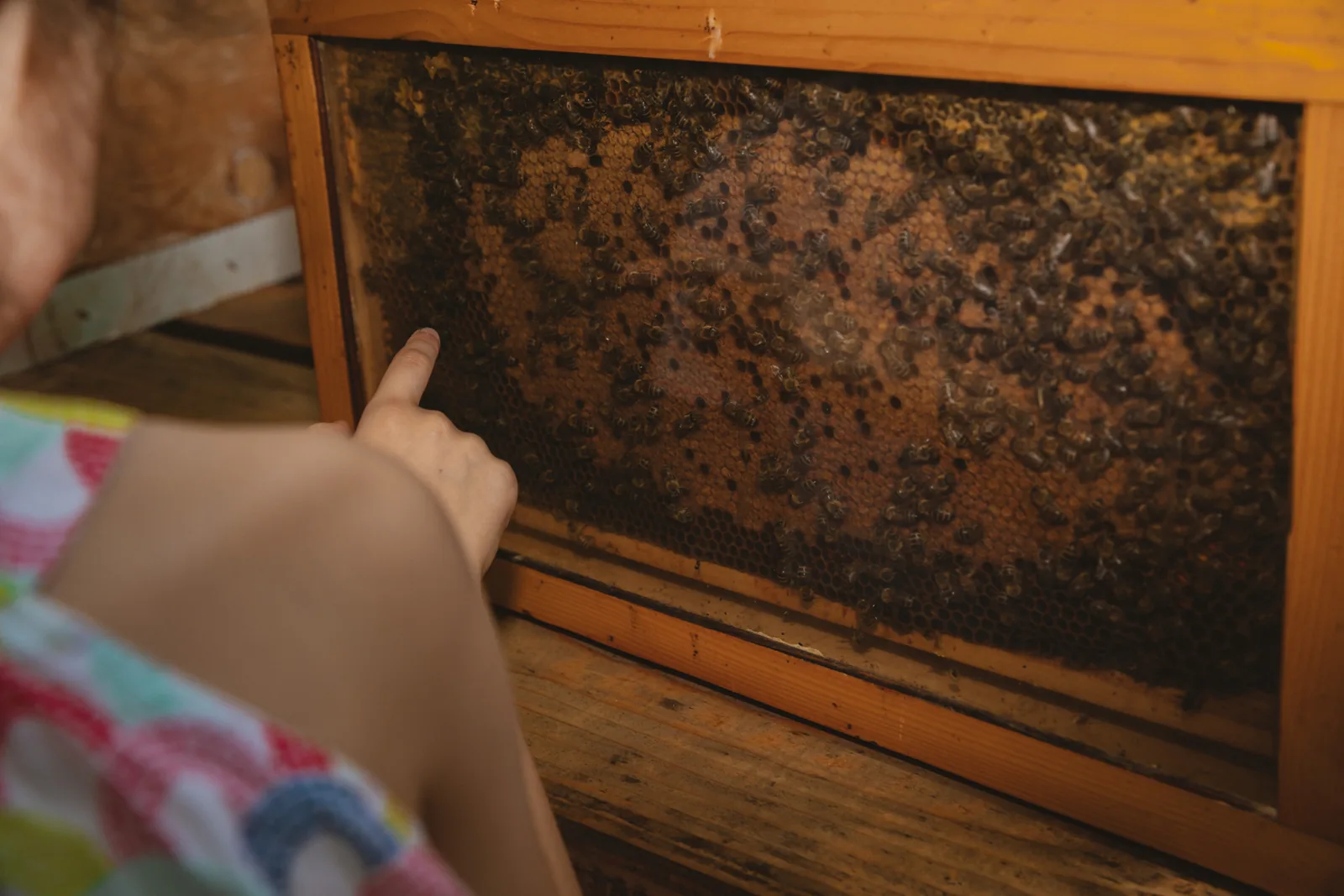
A live colony behind glass. The children search for the queen with their eyes while the bees carry on with their work.
Our projects · The Hive of Knowledge
We believe that children, just like bees, will change the world.
01How it began
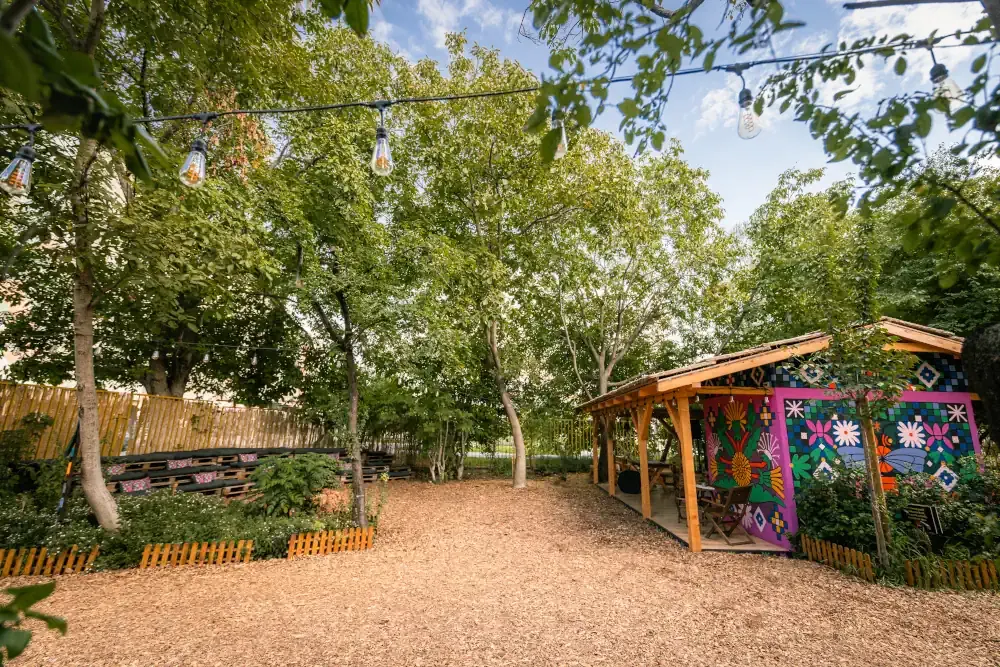
The Hive of Knowledge is a project for preschool children, run in the Honey Garden at the Silosi in Belgrade by the Novak Djokovic Foundation together with the GAIA movement and BeeCenter.
The idea is that as many children as possible should get the chance to spend time in nature, and come to know the world around them through play, exploration and direct experience.
More than 1,500 children from over 50 kindergartens have come through our educational workshops so far. And we want there to be many, many more.
02The workshops
What does life inside a hive look like? Why do bees matter? How is honey made? What would happen if there were no pollinators? What is it like to put on a beekeeper’s suit?
We do not look for the answers to these questions only by talking about them: the children find them through hands-on learning, getting to know the world of bees.
The children watch real bees through the glass observation hive, get to know the beekeeping equipment, explore honey plants, discover how a bee community works, and learn about the importance of bees, pollinators and biodiversity.
Everything inside a hive works thanks to the community. So we talk with the children about cooperation, empathy, responsibility and caring for one another: values that matter.
At the end of the visit the little ones take home gifts and educational materials, so that the exploring can go on after they are back in their kindergarten.
03The visit programme
The programme is built around the age of the group. These are the parts it is built from.
A live colony behind glass. The children search for the queen with their eyes while the bees carry on with their work.
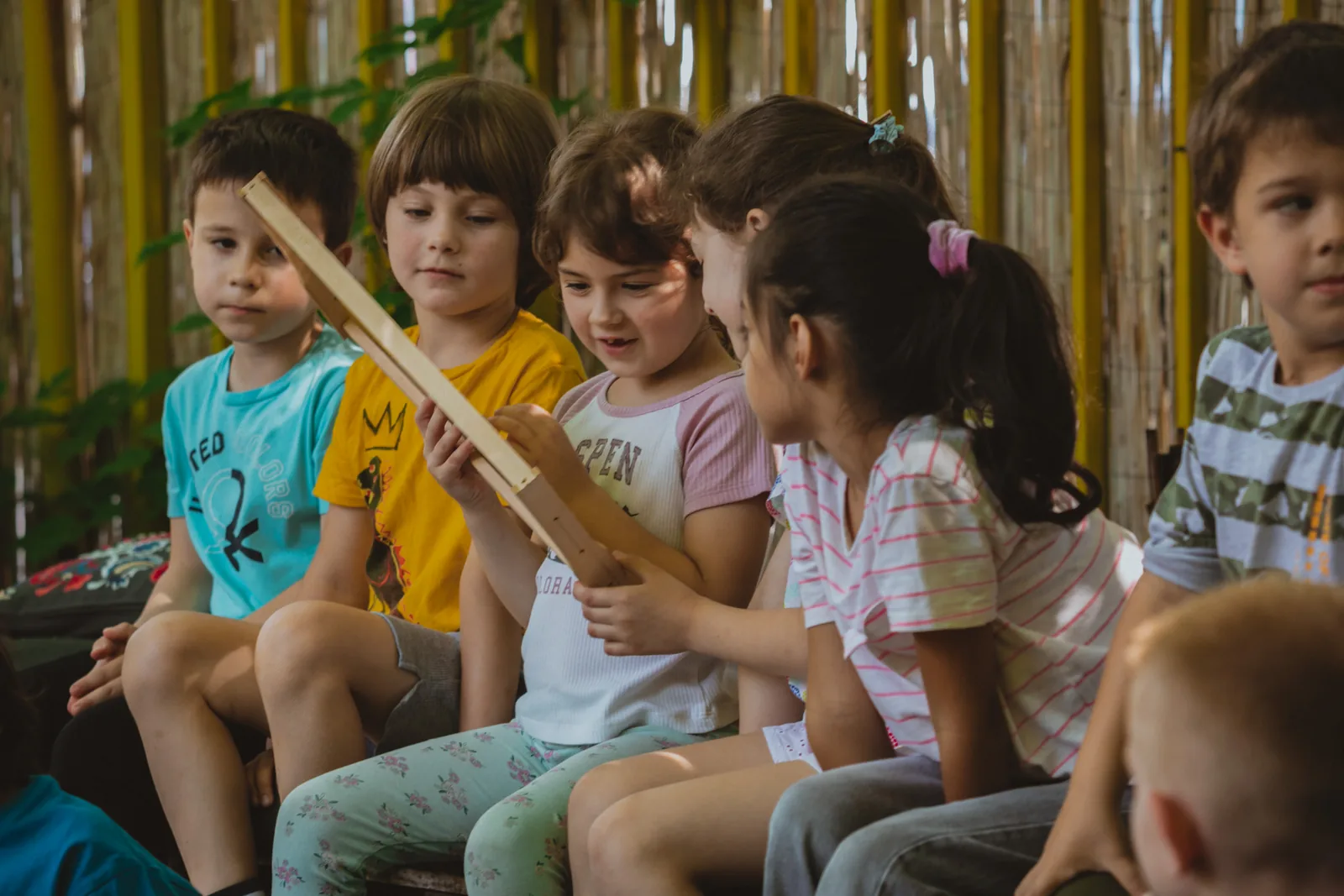
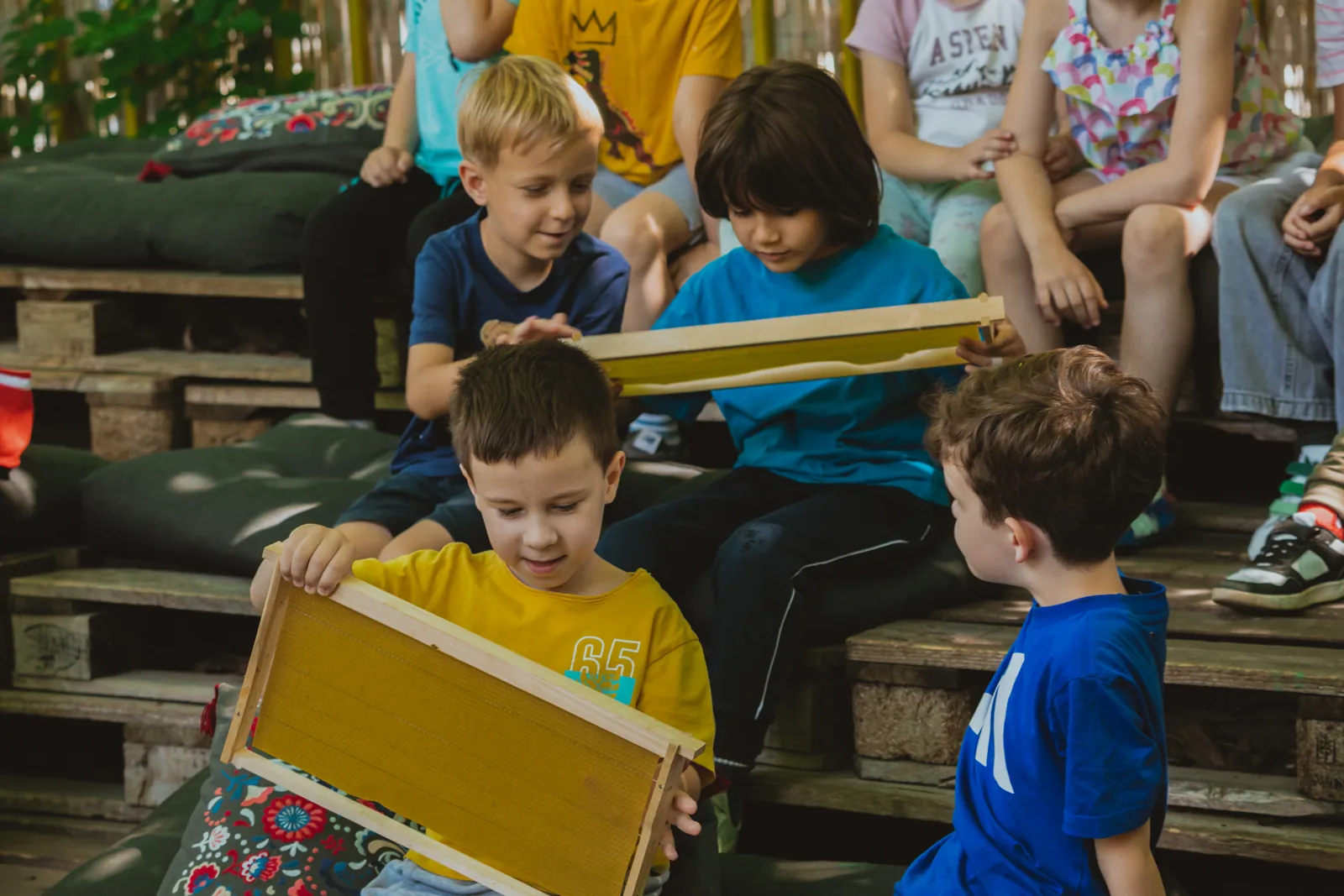
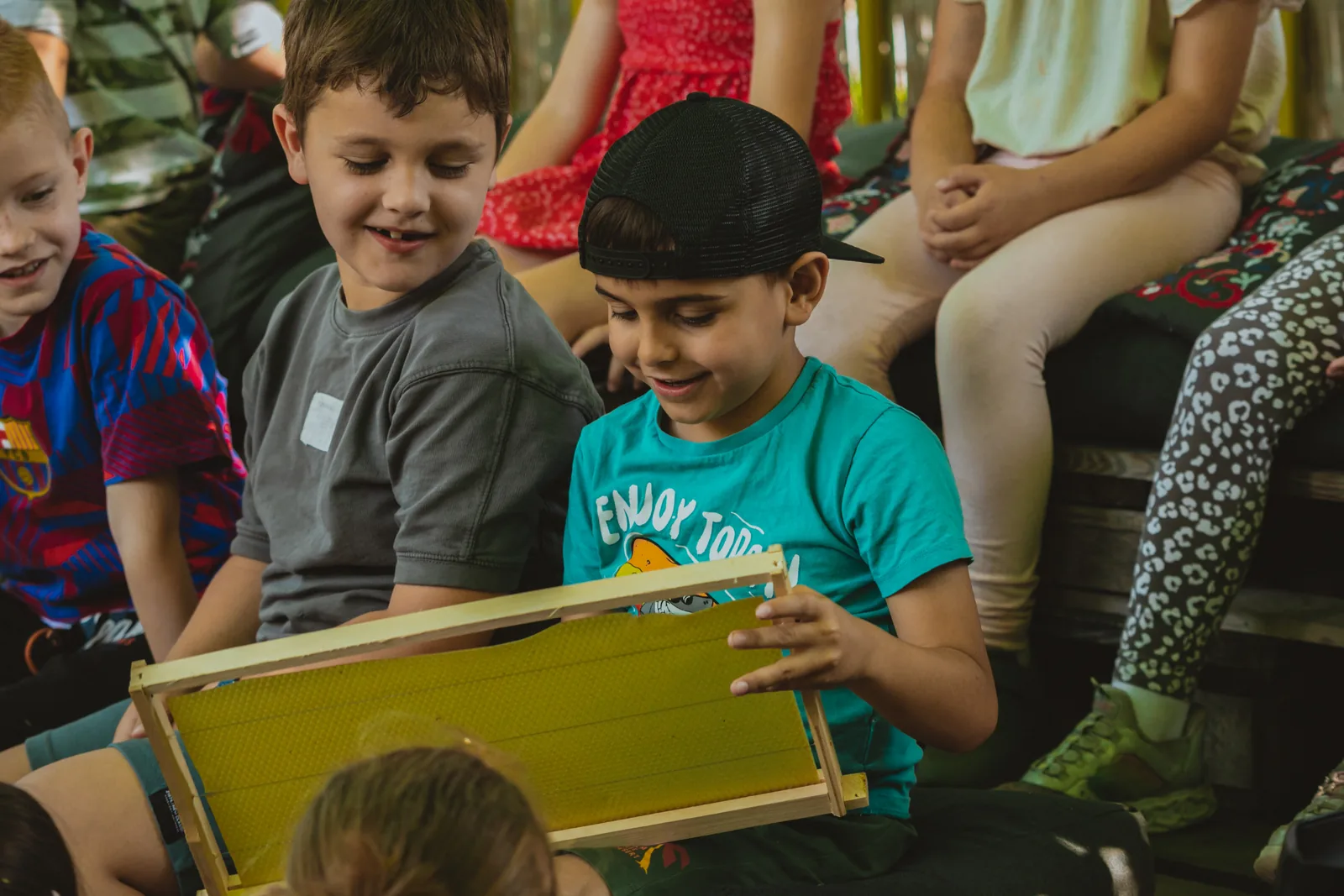
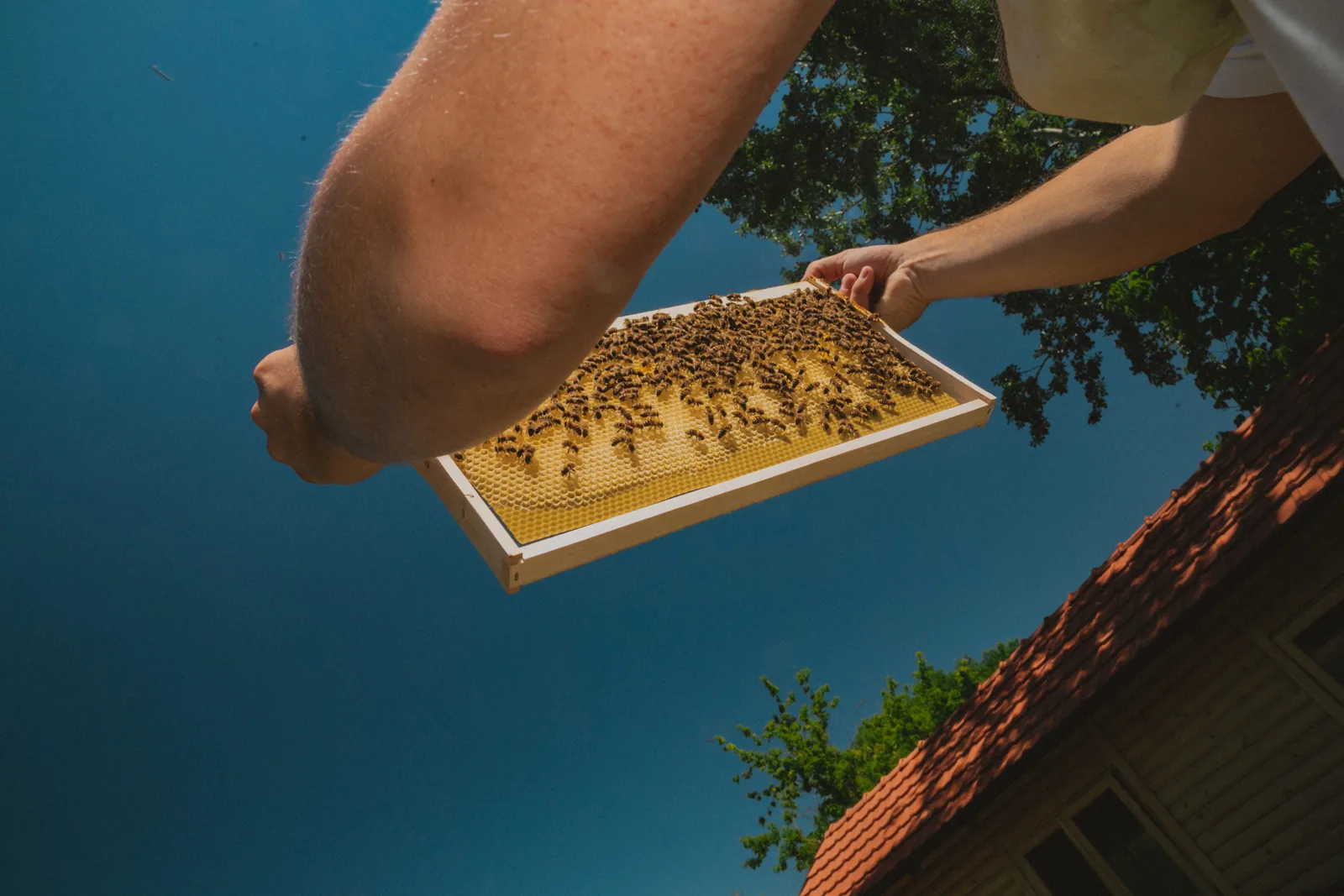
Comb up close, in the hand. On it you can see the hexagon the bees build without a ruler.
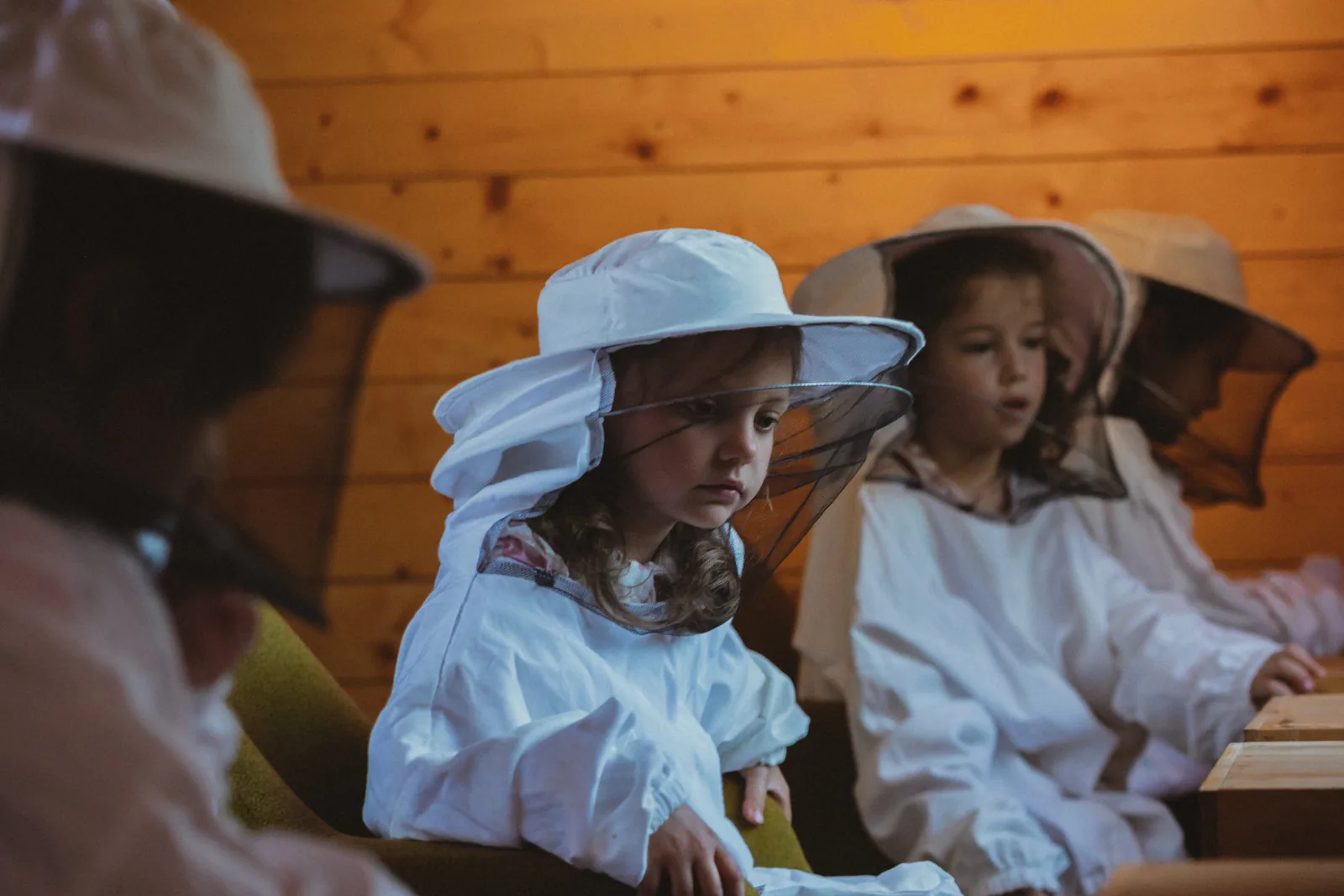
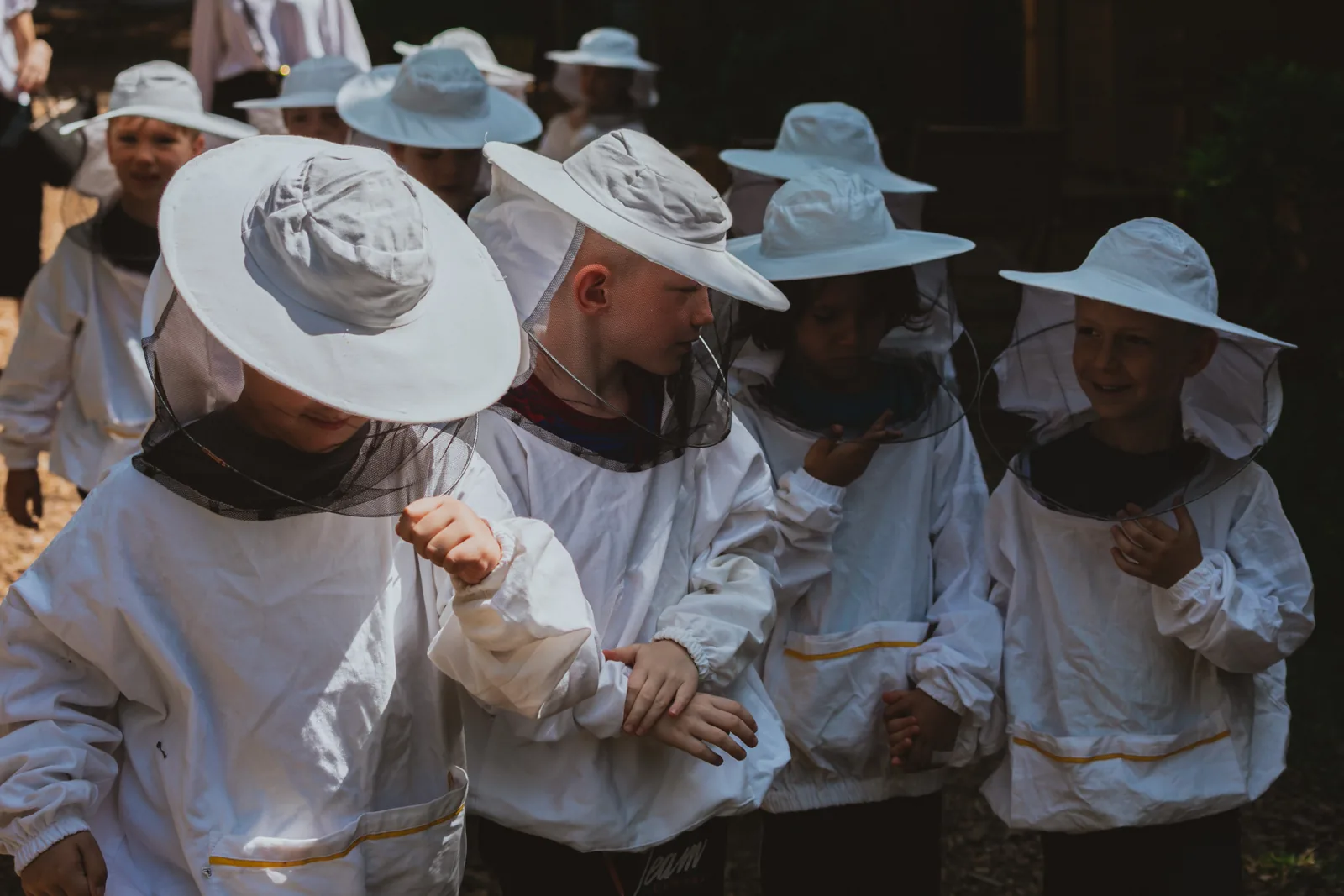
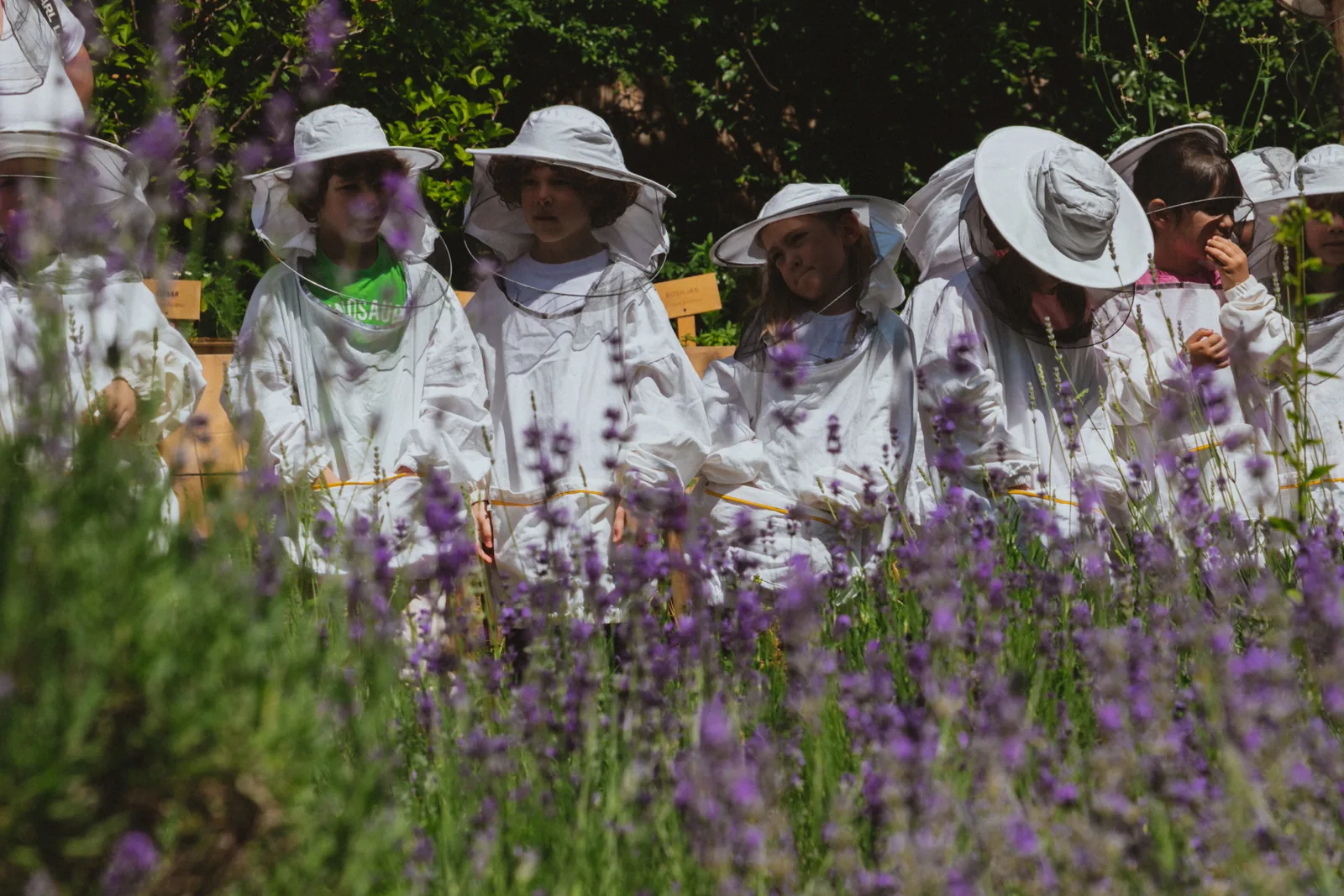
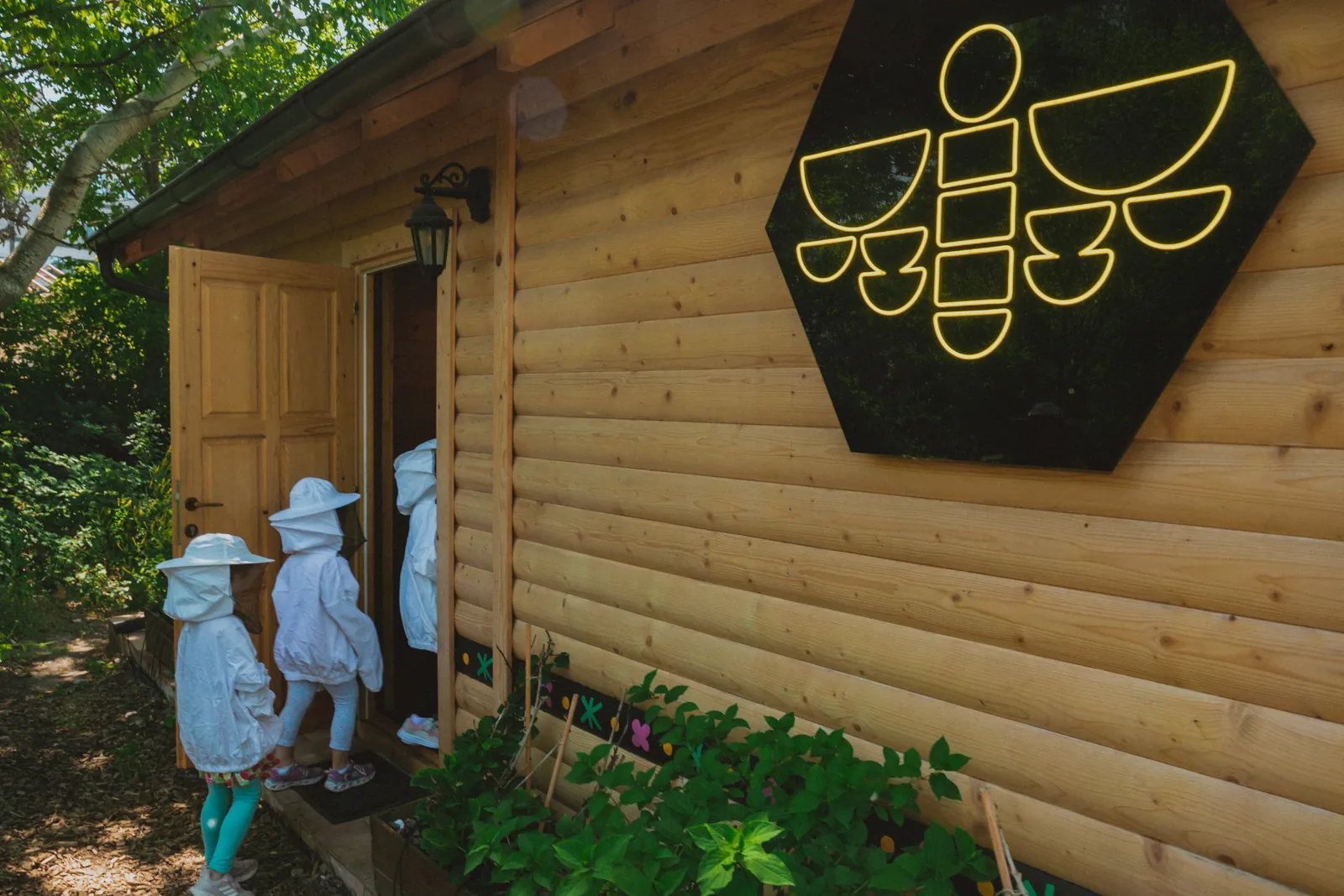
A real suit, with the hat and the veil. The children try it on, too.

The honey is tasted at the end, only once you have seen who made it.
Photographs: the Novak Đoković Foundation archive.
04What a visit looks like
We follow the same order with every group, and at every step we stay exactly as long as the age of the group asks for.
A kindergarten applies through the form at the bottom of this page. We agree on a date, the number of children and their age.
The group arrives at the Honey Garden at the Silosi. The costs of the trip are covered by the project.
A whole colony is visible at once. That is where the queen gets hunted for, and where the first questions come.
The frame of comb goes from hand to hand, and the beekeeper’s suit, hat and veil get tried on.
A walk through the garden: which plants the bees visit, how one community works, and what would happen without pollinators.
The tasting comes at the end, and the little ones take home gifts and educational materials, so the exploring can continue in the kindergarten.
05The workshops in photographs
The strip moves sideways: drag it, use the arrows, or just scroll.
Photographs: the Novak Đoković Foundation archive.
A relationship with nature begins the first time we stop to look at a bee on a flowerand understand why it matters.
06Why it is free
Trips, transport and good educational programmes are a significant expense for families and preschool institutions. That is why the Hive of Knowledge was built differently.
Thanks to the Novak Djokovic Foundation, the GAIA movement, BeeCenter and the project’s partners, the costs of the trip are covered, so a household budget can never be the reason a child misses the chance to learn and spend time in nature.
We want to bring more and more children from all kinds of preschool institutions into the Honey Garden, and give them an experience to carry home.
07Support
For more children to come through this programme, we need friends, partners and allies of nature.
Companies and organisations can support the Hive of Knowledge and make new free trips for preschool children possible.
Every contribution has a very concrete result: more children who get the chance to spend a day in nature, meet the world of bees, and learn why the world around them is worth caring for.
Become part of the Hive of Knowledge.
08Who holds it up
The Hive of Knowledge is a project of the Novak Djokovic Foundation, run together with the GAIA movement and BeeCenter, with the help of the project’s friends and partners.
The list holds BeeCenter’s partners across all the programmes, not only this one.
09Sign-up
Applications for visits go through the form below. The visits are free: the project covers the costs.